Tadah! Machine‑Learned Interatomic Potentials
We train fast, accurate force fields on quantum‑mechanical data to simulate materials at scale — capturing phase transformations and defect physics that classical models miss, and enabling simulations that DFT cannot reach.
References
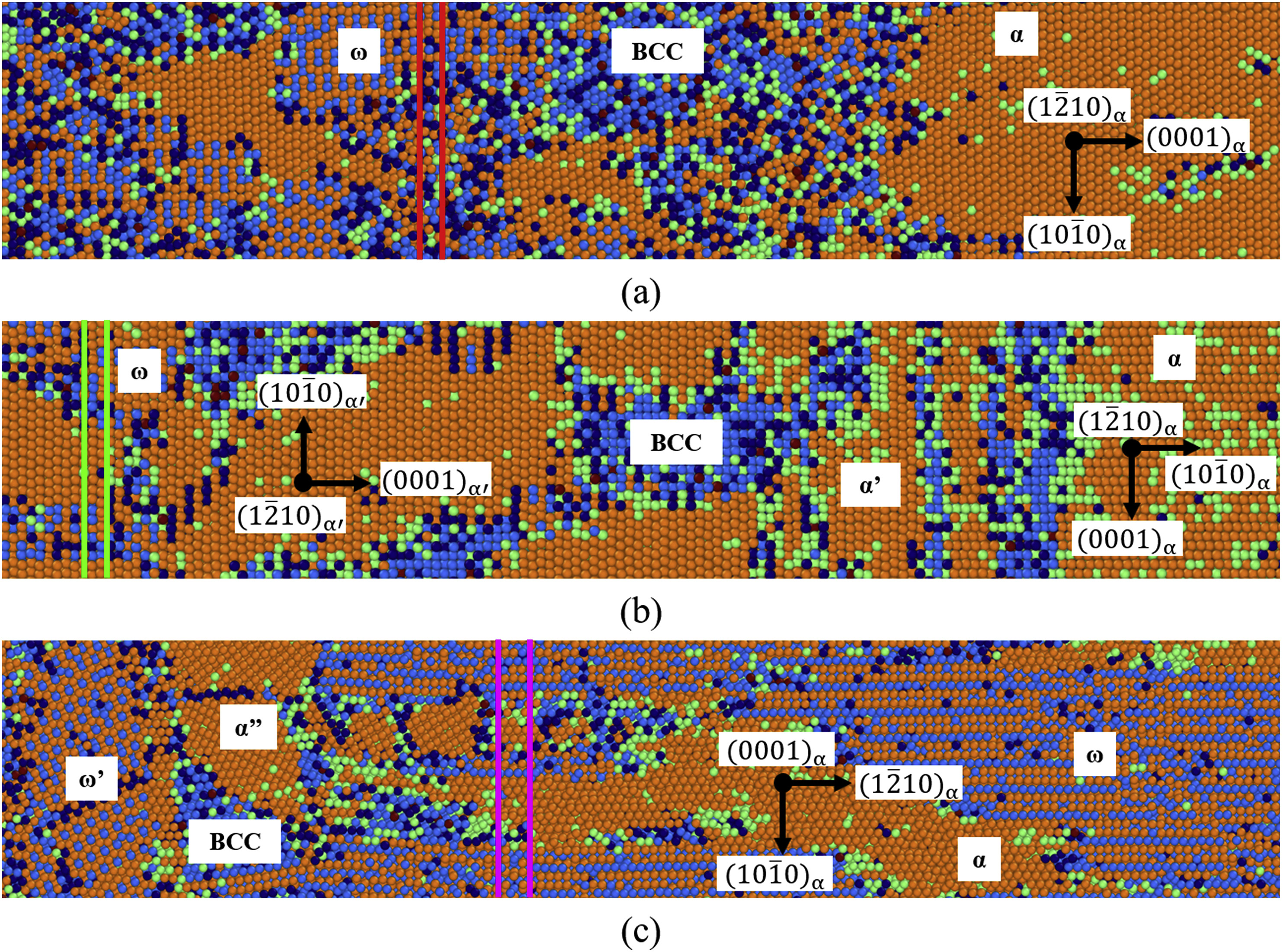
- Zong, Ackland and others, Developing an interatomic potential for martensitic phase transformations in zirconium by machine learning, npj Computational Materials (2018)
- Zong, Ackland and others hcp → ω phase transition mechanisms in shocked zirconium: A machine learning based atomic simulation study, Acta Materialia (2019)
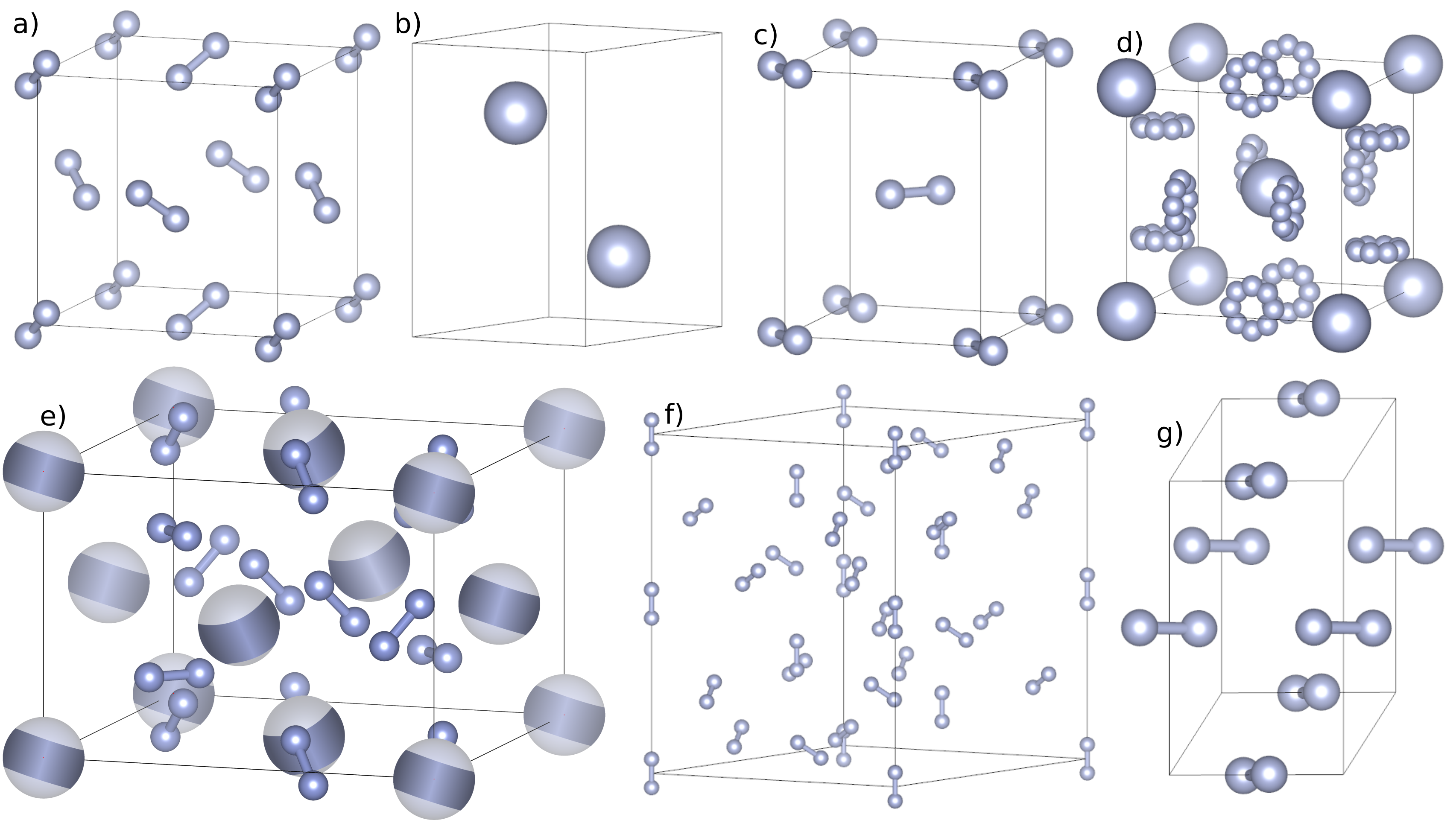
- Kirsz, Ackland and others, Understanding solid nitrogen through molecular dynamics simulations with a machine-learning potential, Physical Review B (2024)
- Iwasaki, Kirsz, Pruteanu and Ackland, An Accurate Machine-Learned Potential for Krypton under Extreme Conditions, Journal of Physical Chemistry Letters (2025)
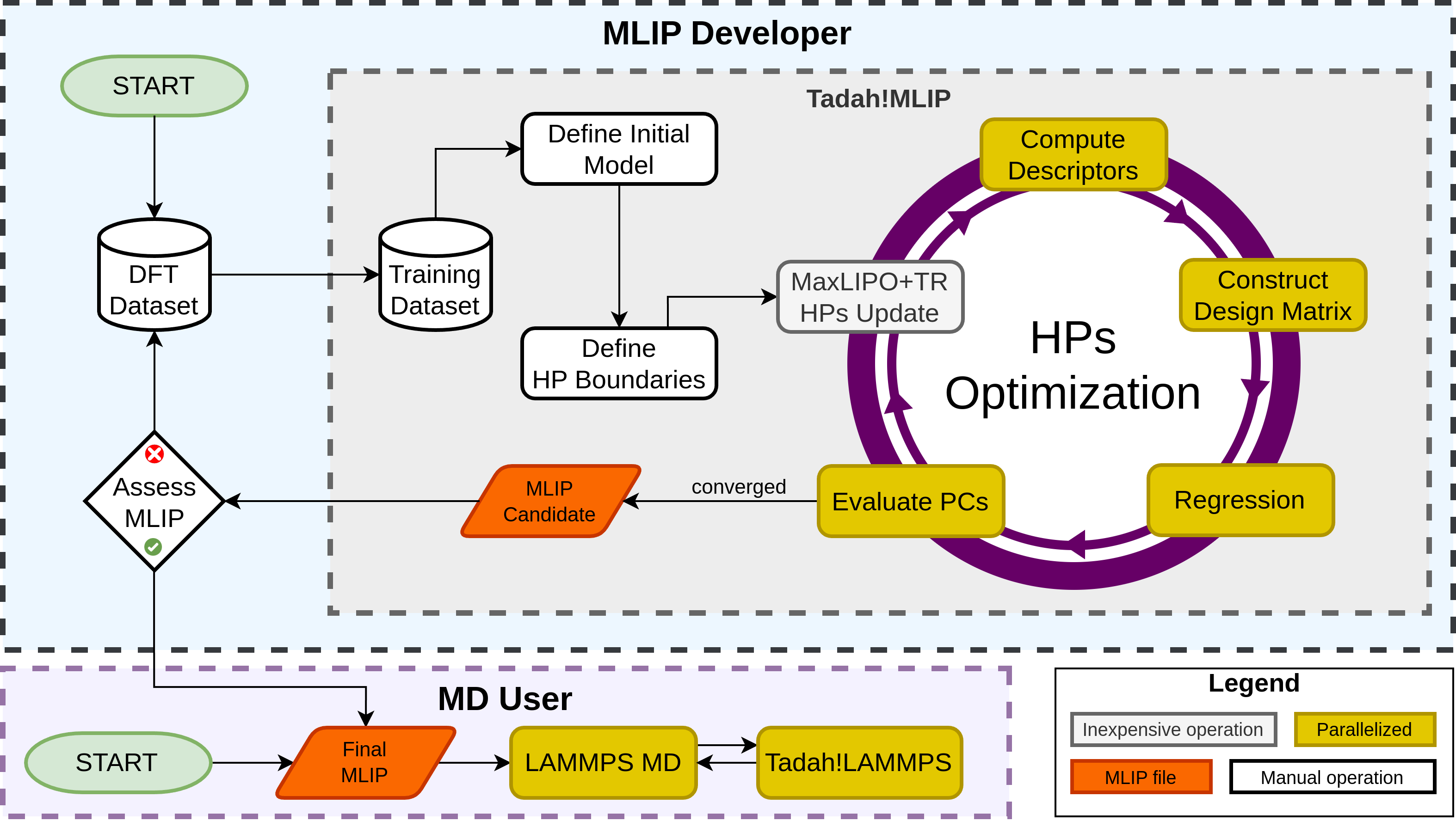
- Kirsz, Daramola, Hermann, Zong & Ackland, Tadah! — a Swiss army knife for ML interatomic potentials, Computer Physics Communications (2025)
- Kirsz, Tadah! website
- Iwasaki, Kirsz, Pruteanu and Ackland, An Accurate Machine-Learned Potential for Krypton under Extreme Conditions, Journal of Physical Chemistry Letters (2025)